In the UAE, a single number is setting the pace for what comes next: more than Dh33 billion in financing aimed at boosting tourism and employment. The initiative is designed to make it easier for tourism businesses to access capital—through loans, credit support and partnerships with banks—so projects move from concept to reality faster. From hotels and attractions to transport and events, the goal is to expand capacity, raise service standards and generate new jobs across the visitor economy. For investors, it’s also a signal: stronger footfall, higher occupancy potential and growing demand around key destinations.
The lobby feels cool against the afternoon heat, a pocket of calm where the world keeps arriving. Suitcases tick over marble like metronomes. A family huddles around a phone—beach, pool, breakfast buffet—thumbs flicking through glossy possibilities. “Two days in the city, then the desert,” someone says, as if reading a recipe for happiness. Outside, a coach door sighs open; inside, the driver adjusts his mirror and waits for the next wave.
This is what tourism looks like when it’s no longer a season but a system. And in the UAE, that system is about to get a powerful push: more than Dh33 billion in financing is being channeled into the sector to accelerate projects and create jobs. Not one flagship development, not a single ribbon-cutting—something more structural. A financial pipeline meant to keep ideas from stalling, to help businesses build, expand, upgrade and hire at the speed demand now requires.
Tourism is often sold in postcard images—sunlight on water, a skyline at dusk—but it’s built on spreadsheets, staff rosters and the ability to fund the unglamorous middle: fit-outs, upgrades, training, technology, marketing, maintenance. The UAE’s new funding push is designed to ease access to capital for tourism-related businesses, working alongside banks and public-sector partners to reduce friction and speed up decision-making.
In practical terms, it means more companies can move from “we should” to “we’re doing.” A hotel owner can refinance a renovation instead of postponing it. An attractions operator can invest in new experiences that keep visitors staying longer. A restaurant group can scale without betting the whole business on a single cashflow quarter. Even behind-the-scenes providers—tour operators, mobility services, event production teams—stand to benefit when financing becomes easier and more predictable.
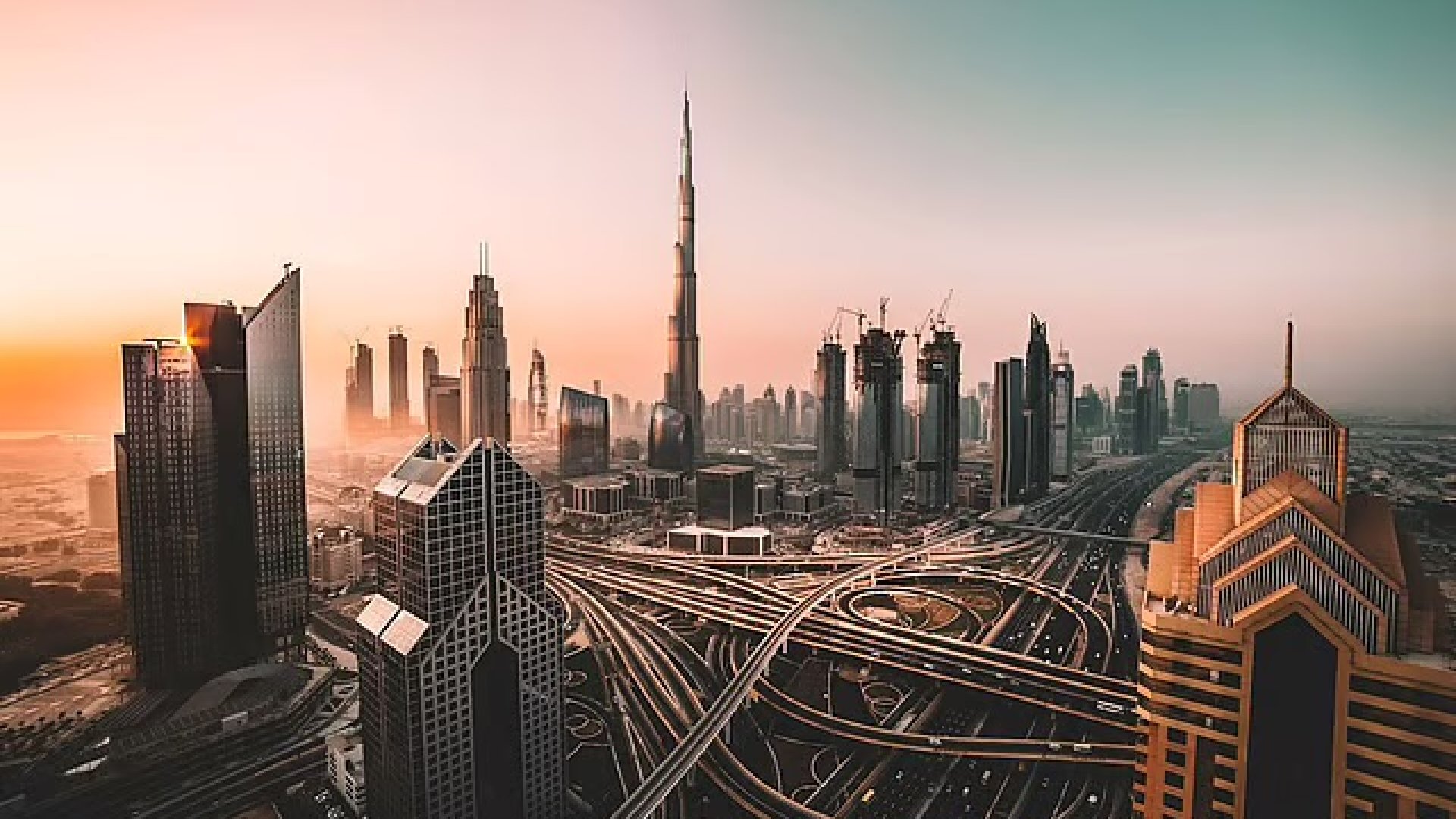
Across the Emirates, the visitor economy has become a year-round engine. The UAE isn’t just competing on sunshine anymore; it’s competing on range: culture, sport, mega-events, culinary scenes, family entertainment, wellness, shopping, and the kind of architectural drama that turns a simple walk into a photo stop.
But growth has a shadow: capacity. More visitors mean more rooms, yes—but also more staff, more transport, more venues, more tours, more back-of-house logistics, more training, more everything. If the experience frays at the edges—queues, inconsistent service, tired rooms—reputation takes the hit. The Dh33+ billion funding channel is a bet that capacity and quality can expand together, not one chasing the other.
Tourism creates work the way a busy kitchen creates heat—constantly, across roles, across shifts. A single new hotel doesn’t just hire reception and housekeeping. It pulls in laundry services, suppliers, security, maintenance, IT support, marketing, concierge teams, and a constellation of small businesses that live off the daily rhythm of guests.
Stand near the service corridor of any large property and you’ll hear the real story: radios crackling, carts rolling, names called out in quick, practiced bursts. “We need two more in banquets tonight.” “Guest arriving early—room ready?” It’s a choreography of employment. By pumping financing into tourism projects, the UAE is aiming to expand this choreography—more openings, more expansions, more upgraded offerings—and with it, more jobs.
Tourism isn’t a single industry; it’s an ecosystem. Funding doesn’t land in one place—it spreads. Hotels and resorts are obvious beneficiaries, but the ripple travels into experiences, events, food, transport, and the tech that stitches a trip together. The new financing push supports that wider view: the visitor economy as a network, not a silo.
Talk to anyone who runs events and you’ll hear a familiar frustration: demand can arrive faster than capacity. “We can sell it,” an organizer says, leaning over a floorplan dotted with stage marks, “but we need the gear, the crew, the build-out—upfront.” Financing changes the timeline. It turns a great idea into a delivered calendar.
Large-scale funding announcements do more than inject liquidity. They change sentiment. Suppliers invest earlier. Brands negotiate faster. Developers sharpen pencils on new concepts. Talent—local and international—makes decisions with more certainty. In markets built on momentum, confidence is currency.
For travelers, the impact shows up later in small moments: a smoother check-in, a fresher room, a new museum wing, a better-connected transit option, an event that becomes an annual ritual. For the economy, it shows up in the hard metrics: spending, employment, occupancy, and the deeper, stickier benefit of repeat visitation.
The Emirates have long framed tourism as part of a broader strategy—diversification, global visibility, quality of life, and infrastructure leadership. Channeling over Dh33 billion into tourism financing reinforces that strategy with something investors understand instantly: execution capacity.
And yet tourism remains, at heart, emotional. It’s the couple stepping out into warm evening air and pausing, silently, because the city feels like a film set. It’s the child staring at an aquarium tunnel, mouth open, forgetting time. These moments are the product. The funding is the backstage pass that helps create more of them—reliably, at scale.
For real estate investors, a Dh33+ billion tourism funding channel functions as a multi-asset demand catalyst. It supports the visitor economy directly (hotels, attractions, events) and indirectly (retail, logistics, residential demand from job creation). The key is to translate “more tourism” into location-specific cashflow and risk assumptions.
Investor takeaway: The funding push strengthens the probability of sustained tourism growth and faster project execution, which is supportive for income-producing real estate tied to visitor flows. At the same time, investors should underwrite supply risk carefully—new capital can bring new competition—making asset quality, operator selection, and micro-location fundamentals more decisive than ever.