
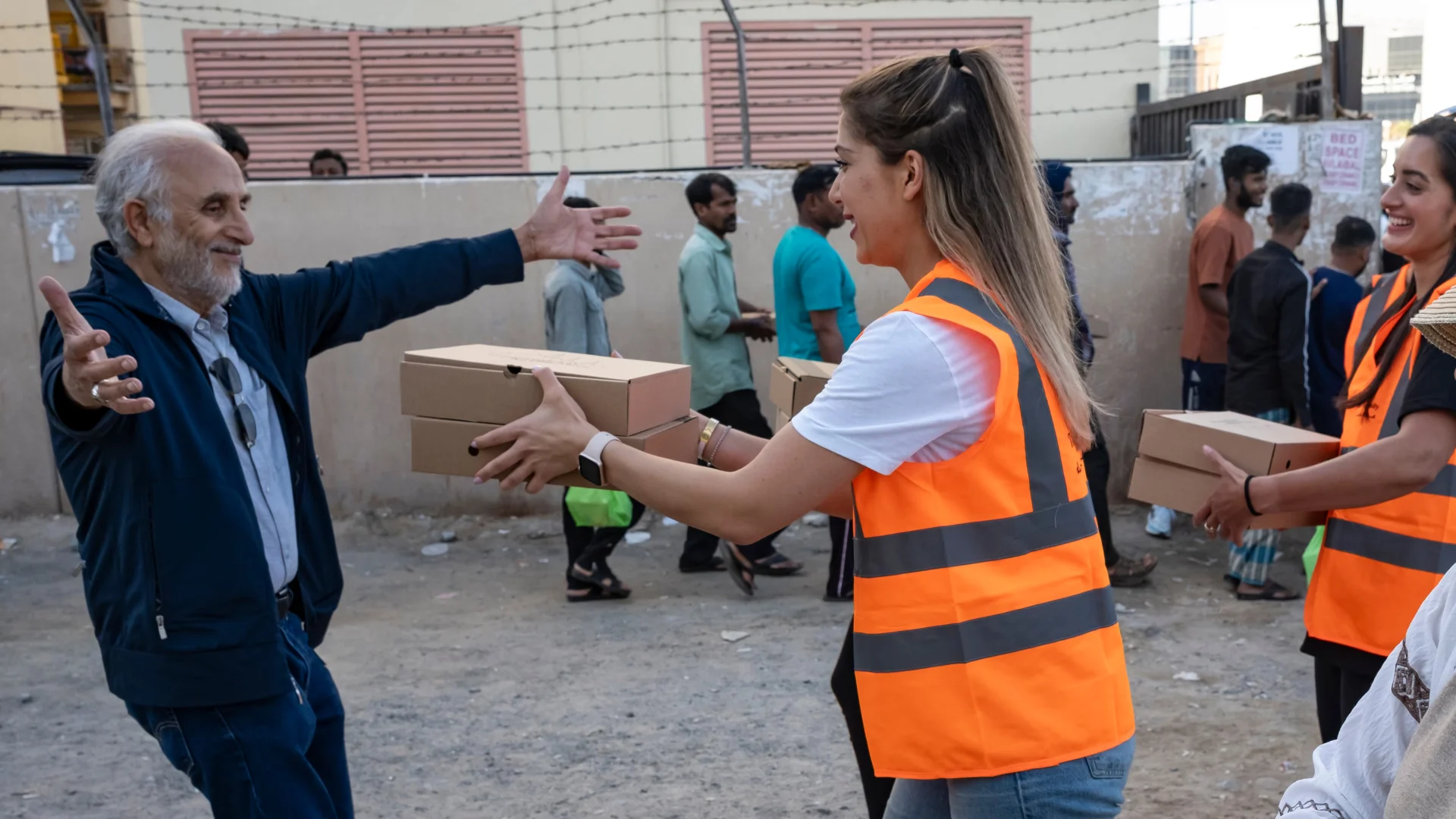

Minutes before sunset, Dubai turns into a moving kitchen: steam clouds the glass, foil lids snap shut, and delivery carts glide out like airport trolleys. With conflict unsettling routes and forcing cargo to reroute, the city’s Ramadan meal programmes have tightened their choreography rather than slowed it. Authorities and partner organisations say there is no shortage of Iftar meals—production and distribution continue at scale across mosques, tents, neighbourhood points and worker accommodations. It’s a nightly reminder that in Dubai, compassion is often measured in timing, temperature and distance travelled.
The clock does something strange in the last half hour before Maghrib. It speeds up. In a bright kitchen, someone taps a stack of aluminium trays into alignment. Clink. Clink. A supervisor glances at a list. “Next batch—move.”
Outside, the city hums with its own countdown. This Ramadan, that rhythm has been tested by a region on edge: war has rattled transport corridors, nudged shipments onto longer paths, and made procurement a daily puzzle. Yet Dubai’s Iftar drive keeps flowing. Thousands of meals are prepared and delivered each day, organisers say, with no shortage reported—thanks to tighter planning, diversified sourcing and a distribution network that refuses to miss the moment the fast breaks.
At delivery points, the scene is quietly cinematic: volunteers lifting boxes, drivers checking locations, a brief nod—no speeches needed. The meals fan out to mosques, community tents, neighbourhood stations and worker housing, arriving warm and on time, as if the city itself is exhaling.
“Count again,” someone says at the door. A quick recount. A satisfied “Done.” The carts roll out into the amber light—small, shining parcels of steadiness.
Reliable food-logistics at peak seasonal demand signals operational resilience—important for investors in labour accommodation, mixed-use districts and last-mile retail. Ramadan surges can lift demand for dark-kitchen units, food-grade warehousing and well-located commercial space near worker clusters, mosques and key transport links.